Understanding the Fascination with Mahjong: Exploring 08PHP Connections
Mahjong, an ancient game with a rich history, has captured the imagination of enthusiasts worldwide. With its intricate tiles and strategic gameplay, Mahjong is more than just a pastime; it's a cultural phenomenon. In this exploration, we'll delve into the nuances of Mahjong while highlighting its connections to modern terms like 08PHP.
The Origins of Mahjong
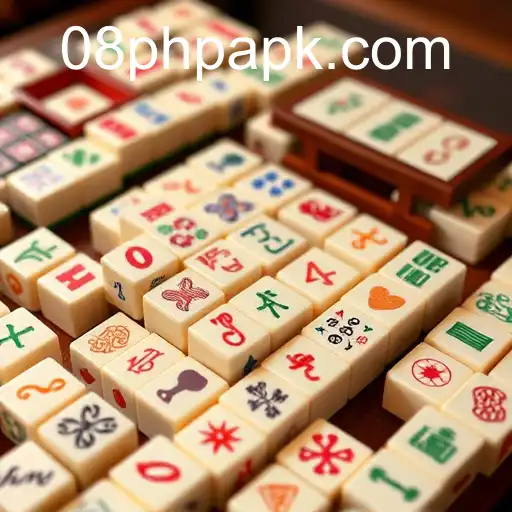
The roots of Mahjong can be traced back to ancient China, where it gained popularity during the Qing dynasty. The game combines strategy, skill, and a bit of luck, making it timeless and engaging. It consists of 144 tiles, categorized into suits like bamboos, characters, and dots, as well as honor and bonus tiles. The objective is to form specific sets and pairs known as "mahjong hands." Despite its ancient origins, Mahjong continues to evolve, manifesting in numerous variations across regions.
The Cultural Significance of Mahjong
Mahjong is deeply embedded in Chinese culture, often associated with social gatherings and family events. Traditionally, it has been a medium for fostering relationships, much like a ritual that transcends generations. Many associate the game not just with leisure but also with skill—an art form that requires patience and concentration.
Furthermore, Mahjong's influence extends beyond Asia. Western cultures have adopted the game, often infusing their unique elements, like the American Mahjong League's specific rules. This global spread has only solidified Mahjong’s reputation as a universal game connecting diverse cultures and communities.
Decoding 08PHP in Mahjong Context
The term 08PHP might appear unrelated at first glance, yet it intersects with how we view modern Mahjong adaptations in digital realms. Though primarily a programming language term, PHP adaptations have helped digitalize Mahjong games, bringing them to online platforms where enthusiasts can play regardless of geographical boundaries.
This online transition augments the social aspects of Mahjong. In virtual settings, players find ease in connecting with a broad network, playing in tournaments, and observing global variations, without ever leaving their homes. The digital adaptation symbolizes Mahjong’s resilience and its ability to adapt to technological advancements like 08PHP, thus remaining relevant in modern gaming ecosystems.
The Role of Mahjong in Popular Culture
Beyond the digital realm, Mahjong has made significant inroads into popular culture. Films, literature, and television series often depict Mahjong as a metaphor for life’s strategic moves and uncertainties. Legendary films have used Mahjong as pivotal plot devices, illustrating characters' growth or tensions. Through such portrayals, Mahjong's strategic depth and symbolic language resonate beyond its immediate audiences.
Mahjong also finds place in art and music; its designs inspire modern artworks, while its rhythmic tile-clicking sounds inspire musical compositions. These depictions elevate Mahjong from a simple pastime to a canvas reflecting varied human narratives and creativity.
Educational Value and Cognitive Benefits of Mahjong
Interest in Mahjong extends into educational and cognitive domains due to its tremendous brain-boosting potential. The game is praised for enhancing memory, improving cognitive skills, and encouraging strategic thinking. Players are required to remember complex formations, think critically about their opponents' actions, and calculate probabilities—skills that sharpen mental agility. These attributes make Mahjong a preferred choice in educational tools promoting cognitive development among youths and adults alike.
The Future of Mahjong: Opportunities and Challenges
While Mahjong maintains its classic appeal, the blend with digital trends offers unprecedented opportunities for growth and resilience. Developers continually innovate by integrating AI technologies, creating versatile challenges that appeal to both novice and experienced players. As these developments unfold, the 08PHP connection might imply further advancements and integrations that optimize online Mahjong experiences.
However, maintaining cultural authenticity remains a challenge. As various iterations emerge, distinguishing traditional aspects from modern adaptations can blur. Ensuring that future innovations respect Mahjong’s rich heritage while embracing progressivity is key.
Conclusion
Mahjong stands as an enduring emblem of cultural heritage and an adaptable medium for social interaction and mental enrichment. Its integration with digital technologies, including associations with terms like 08PHP, signifies a transformative journey where tradition meets innovation. As Mahjong continues traversing diverse cultural landscapes, its legacy will likely inspire future generations, intertwining the past with present and evolving into a timeless pastime.